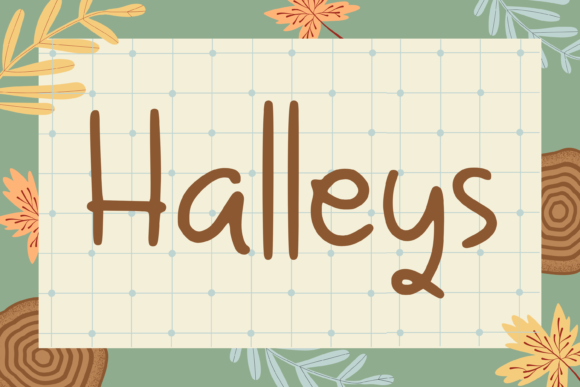
Halleys: The Flowing Script for Elegant Design
In the crowded landscape of digital typography, finding a typeface that balances readability with distinct personality is a constant challenge. A truly versatile script font can transform a generic layout into a memorable visual experience, acting as the bridge between a brand's core message and its audience. This is precisely where Halleys excels, offering a delicate, elegant, and flowing handwritten style that injects life into a wide array of creative projects.
The Anatomy of Elegance: What Makes Halleys Special
At its core, Halleys is more than just a collection of letters; it's a carefully crafted tool for visual storytelling. Its characters exhibit a well-balanced structure, ensuring that each word flows with a natural, organic rhythm. This balance is crucial—it prevents the script from becoming illegible while maintaining its artistic flair. The font's inherent delicacy makes it ideal for conveying sophistication, warmth, and authenticity, key components in effective graphic design and brand identity.
Practical Applications: From Concept to Creation
The true value of a design asset is measured by its versatility. Halleys adapts seamlessly across numerous mediums, making it a valuable addition to any designer's toolkit. Consider its impact in the following areas:
- Branding and Logo Design: Use Halleys for a primary logotype or as a complementary script to establish a boutique, artisanal, or high-end aesthetic. It's particularly effective for brands in fashion, beauty, wedding services, and luxury goods.
- Marketing and Social Media: Create eye-catching headlines for digital ads, email headers, or Instagram stories. Its flowing nature draws the eye, improving engagement in fast-scrolling environments.
- Editorial and Packaging Design: Elevate book covers, magazine pull quotes, or product packaging. It adds a touch of handcrafted quality that resonates with consumers seeking authenticity.
- Web and UI Design: When used judiciously for headers, call-to-action buttons, or decorative elements, Halleys can soften a digital interface and guide user focus, enhancing the overall UX design.
Strategic Integration: Tips for Effective Use
Introducing a script font like Halleys into a design system requires thoughtful execution to maintain visual hierarchy and readability. Follow these best practices to maximize its impact:
- Pair with Purpose: Combine Halleys with a clean, geometric sans-serif or a classic serif font. This contrast creates a dynamic visual hierarchy, with Halleys serving as the accent for key messages while the primary font ensures body copy remains clear.
- Consider Scale and Spacing: Scripts often require careful kerning and leading. Test Halleys at various sizes to ensure it remains legible, especially in smaller applications like mobile UI design or detailed packaging.
- Align with Color and Context: A font's personality is amplified by its color palette. Pair Halleys with muted, earthy tones for a natural feel, or with bold, high-contrast colors for a more contemporary, impactful statement in social media graphics or advertising campaigns.
- Maintain Consistency: To strengthen brand identity, define clear rules for where and how Halleys is used. Consistency across all touchpoints—from print design to digital presentations—builds recognition and trust.
Elevating Your Creative Workflow
Incorporating a high-quality typeface like Halleys into your design workflow is an investment in efficiency and quality. It provides a ready-made solution for adding a layer of sophistication and human touch, saving valuable time during the conceptual phase. Whether you are developing a full brand identity, crafting digital marketing materials, or designing elegant merchandise, this font serves as a reliable creative asset.
Ultimately, the goal of any design is to communicate effectively and beautifully. Thoughtful typography is a fundamental pillar of that process. By selecting assets that are both aesthetically pleasing and functionally sound, you empower your projects to resonate more deeply with their intended audience, turning simple ideas into compelling visual narratives.