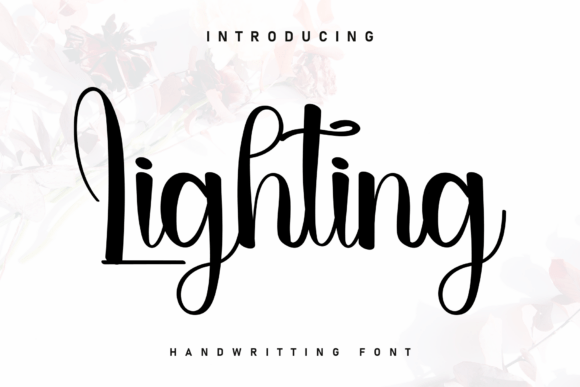
Lighting Font: A Sweet Handwritten Style for Cozy Designs
Imagine a font that feels like a friendly note passed in class or a cozy cafe menu scrawled with affection. That’s the immediate charm of Lighting, a sweet and beautiful handwritten font that brings warmth and personality to any creative project. Featuring characters that dance along the baseline, this typeface isn’t just a set of letters; it’s a design tool that adds a human, approachable accent to visual communication.
The Role of Handwritten Fonts in Modern Design
In a digital landscape often dominated by sleek, geometric sans-serifs, a font like Lighting serves a crucial purpose. It injects authenticity and emotional resonance into designs. For graphic designers, it’s a way to break through the noise, creating a visual hierarchy that guides the eye while establishing an immediate connection with the audience. This style of typography is particularly effective for brands aiming to convey friendliness, creativity, or artisanal quality.
Practical Applications for the Lighting Typeface
The versatility of a well-crafted handwritten font makes it a valuable asset across numerous creative projects. Its playful, flowing nature can be strategically applied to:
- Branding & Logo Design: Use Lighting for a logo tagline or brand name to create a memorable, personal identity, especially for lifestyle, beauty, or food brands.
- Marketing Materials: Elevate flyers, brochures, and posters with handwritten headers or call-to-action text that feels inviting and less corporate.
- Social Media Graphics: Create scroll-stopping Instagram stories, quote graphics, and promotional posts that stand out with a personal touch.
- Packaging Design: Add a charming, handmade feel to product labels, boxes, and shopping bags that enhances the unboxing experience.
- Web & UI Design: Sparingly use it for hero section callouts or testimonial quotes to add warmth without compromising UX design principles of readability.
- Editorial Layouts: Introduce a cozy accent in magazine features, blog headers, or recipe books to complement body copy and imagery.
Integrating Lighting into Your Design Workflow
To use a font like Lighting effectively, consistency and context are key. Here are actionable tips for professional presentation:
- Pair Wisely: Combine Lighting with a clean, neutral sans-serif (like Open Sans or Lato) for body text to maintain readability and create a balanced visual hierarchy.
- Consider Scale: Handwritten fonts work best at larger sizes for headlines or accents. Test its scalability to ensure clarity across different mediums, from a business card to a billboard.
- Align with Brand Voice: Ensure the font’s personality matches your brand identity. Lighting’s sweet, dancing character suits cheerful, informal, or artistic brands better than formal, corporate ones.
- Mind the Color Palette: A warm, handwritten style pairs beautifully with soft, natural color palettes or bold, contrasting colors for a dynamic pop.
Ultimately, the power of a creative asset like the Lighting font lies in its ability to transform a standard design into something with soul and story. In digital marketing and visual design, where first impressions are instantaneous, choosing typography that conveys the right emotion is not just an aesthetic choice—it’s a strategic one. By thoughtfully integrating such quality assets, designers and creators can significantly enhance both the beauty and the communicative effectiveness of their work, ensuring their message is not only seen but felt.